Have you ever been in a situation where you had to “read the room” without anyone saying anything?
In Korea, there’s a word for that: Nunchi (눈치)
If you’re learning Korean or exploring Korean culture, you’ve probably heard this word before. But understanding it is not as simple as translating it into English.
What is nunchi meaning, and why is it so important in Korean culture?
In this article, you’ll learn the real nunchi meaning, why it’s so important in Korea, and how you can start noticing it in everyday situations.
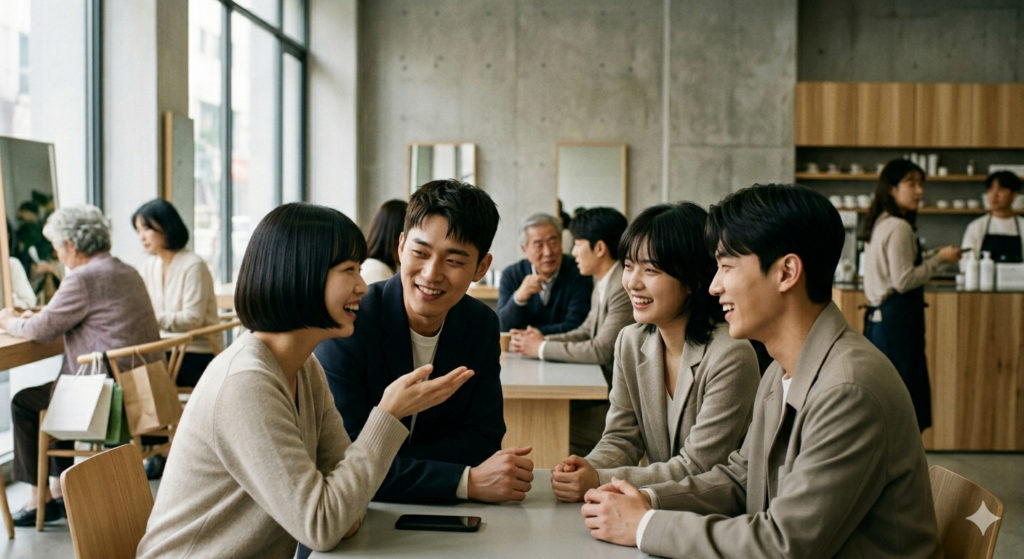
What is Nunchi Meaning?
Nunchi is often translated as “reading the room,” but that’s only part of the meaning.
As its core, nunchi is the ability to:
- Sense other people’s feelings
- Understand the situation quickly
- Adjust your behavior accordingly
It’s not just about observation. It’s about reacting appropriately without being told what to do.
For example, imagine entering a quiet meeting room where everyone looks serious. Even if no one says anything, you instinctively lower your voice and act more formally. That’s nunchi.
Why “Nunchi” Is Hard to Translate
Many people try to explain nunchi using English expressions like:
- “read the room”
- “take a hint”
- “read between the lines”
These are similar, but none of them fully capture what nunchi means.
“Read the room” focuses on understanding the atmosphere.
“Take a hint” implies reacting to indirect signals.
“Read between the lines” is more about interpreting hidden meaning in language.
Nunchi combines all of these – and more.
What makes it different is that is includes speed and social awareness. In Korea, having quick nunchi (눈치가 빠르다) is seen as a valuable skill.
Interestingly, even in other languages, there often isn’t a direct equivalent. Some learners notice that their own language doesn’t have a single word that captures this exact idea, which makes nunchi even more intriguing.
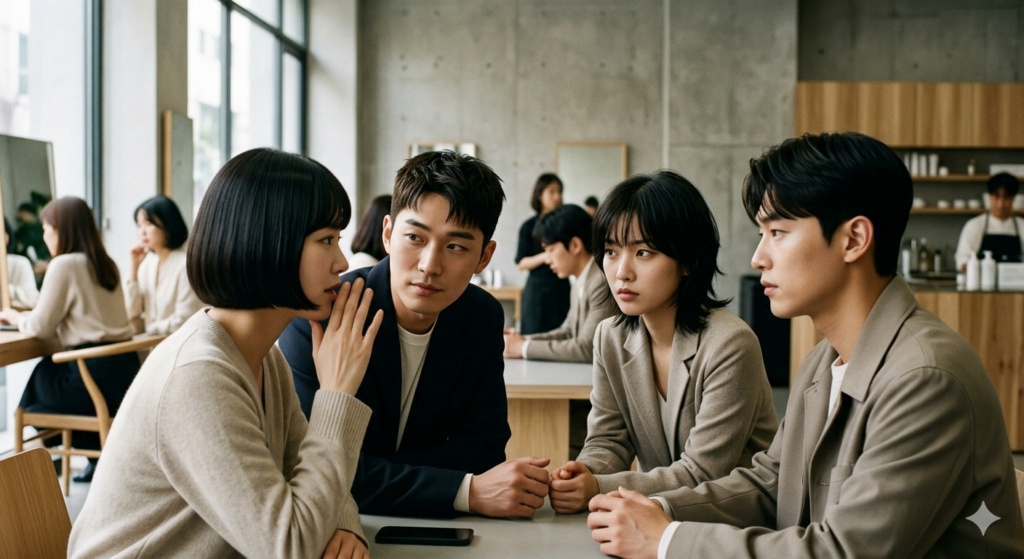
How Koreans Use Nunchi in Real Life
Nunchi is part of everyday life in Korea, especially in social and group setting.
Understanding nunchi meaning can help you navigate social situations more smoothly in Korea.
Here are a few common examples:
At work
If your manager is still working late, you might hesitate to leave the office first. You read the situation before making a decision.
In group conversations
You avoid interrupting someone older or speaking too loudly if the mood is calm.
In social gatherings
You notice who hasn’t been served food yet and act accordingly without being asked.
In Korean, people often say:
- “눈치가 빠르다” (quick to notice)
- “눈치가 없다” (lacking awareness)
These expressions show how important nunchi is in evaluating someone’s social behavior.
Why Nunchi Matters in Korean Culture
To understand nunchi, you need to understand Korean social values.
Korean culture tends to emphasize:
- group harmony
- respect for hierarchy
- unspoken communication
Instead of expressing everything directly, people often expect others to understand the situation on their own.
This is where nunchi becomes essential.
Having good nunchi helpas you:
- avoid awkward situations
- show respect without words
- build smoother relationships
In many cases, saying less and understanding more is considered a sign of maturity.

Can You Learn Nunchi?
The good news is: yes, you can.
Nunchi is not something you’re simply born with. It develops through experience and observation.
Here are a few ways to improve you rnunchi:
- Pay attention to tone and body language
- Observe how others react in group settings
- Notice who speaks first and who waits
- Adapt your behavior based on the situation
- If you’re living in Korea or interacting with Korean people, you’ll naturally become more aware of these patterns over time.
Final Thoughts
Nunchi is one of those concepts that reveals a lot about Korean culture.
It’s not just about understanding others – its’ about being aware of your place in a social context and acting accordingly.
Once you understand nunchi meaning, you’ll start noticing it in everyday interactions.
And more importantly, you’ll begin to understand Korean communication on a much deeper level.
Understanding concepts like nunchi can also help you better grasp other Korean expressions, such as “oppa,” which carries more meaning than a simple translation.