Introduction
Many people ask the same question before starting their language journey: Is Korean hard to learn?
The honest answer is not simply yes or no. When asking “is Korean hard to learn,” it’s important to consider your native language. According to the U.S. Foreign Service Institute, Korean is classified as a Category V language for English speakers.
Korean can feel challenging at first, especially if your native language is English or another European language. The writing system looks different, the sentence structure is unfamiliar, and the politeness levels may seem overwhelming.
However, Korean is also one of the most logical and systematical languages you can study. Once you understand the structure behind it, things start to make sense surprisingly quickly.
In this guide, I’ll break down what makes Korean challenging, what makes it surprisingly easy, and whether it might be the right language for you.
Why Korean Seems Difficult at First
A different Alphabet
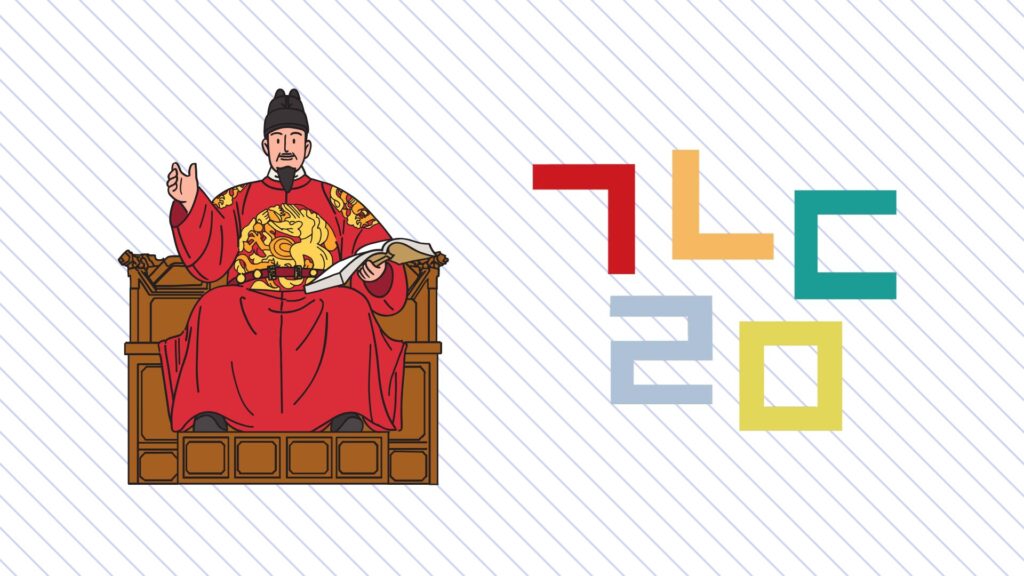
Korean uses Hangul, Korean alphabet, which looks unfamiliar at first. However, it was scientifically designed, so is actually one of the most logical writing systems in the world. You can learn to read basic Hangul in just a few hours.
Many beginners wonder, is Korean hard to learn compared to other Asian languages? In terms of reading and writing, unlike Chinese characters or Japanese kanji, you don’t need to memorize thousands of symbols to start reading.
Grammar Structure
Korean sentence order is different from English:
English: I eat apples. (Subject-Verb-Object)
Korean: I apples eat. (Subject-Object-Verb)
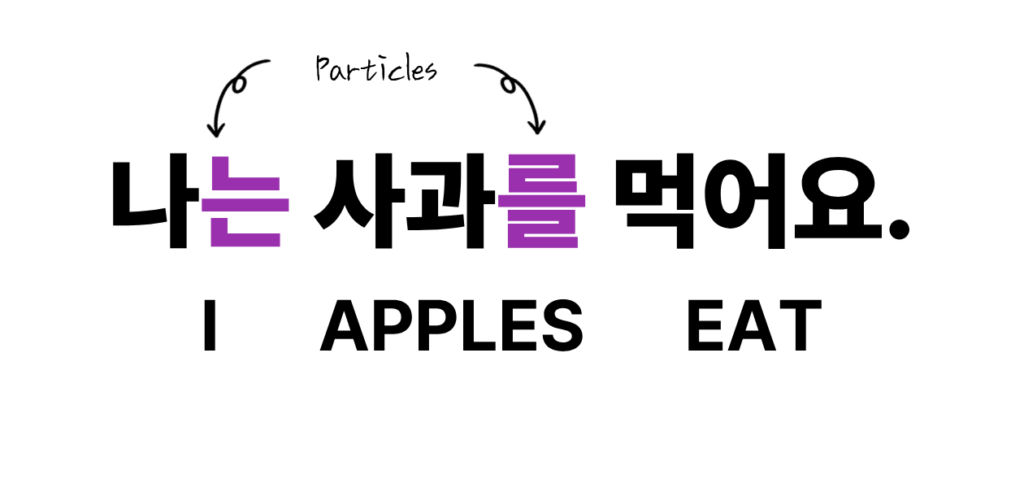
Because the verb comes at the end of the sentence, you often have to wait until the very last word to fully understand the meaning. For beginners, this can feel unnatural and slow. This takes time to adjust to, but it becomes natural with practice.
Additionally, Korean uses particles to mark subjects and objects, which may not exist in your native language. Learning how particles work takes time, but once you understand their function, they actually make sentences clearer and more flexible.
Why Korean Is Easier Than You Expect
Despite these challenges, Korean has several features that learners often find surprisingly simple.
No Verb Conjugation by Person
Unlike many European languages, Korean verbs do not change based on the subject. In English, we say “I eat” but “she eats”. In Korean, the verbs remains the same regardless of who performs the action. This eliminates a common difficulty found in many European languages.
Logical Honorific System
In Korean, how you speak depends on who you are talking to. There are different speech levels based on age, social status, and the level of formality in the situation.
However, the important thing to remember is that most daily conversations rely on just two main levels: polite and casual. You don’t need to master every form at once. Although politeness levels seem complex, they follow consistent patterns. Once you understand the system, it becomes predictable.
Logical grammar
Finally, Korean grammar follows consistent patterns. Once you learn a structure, you can apply it to many different situations. The language may feel unfamiliar at fist, but it is not random or chaotic. It follows rules – and those rules are learnable.
So, Is Korean Hard To Learn?
Korean is not the easiest language for English speakers, but it is absolutely learnable. The difficulty often comes from unfamiliarity rather than true complexity.
If you enjoy structured grammar and cultural depth, Korean can be deeply rewarding. The key is consistency – not talent. Small daily practice makes a bigger difference than occasional intense study sessions.
So, is Korean hard to learn? It can feel overwhelming in the beginning, but with the right mindset and steady practice, it becomes manageable and even fun.
If you are still hesitating to start, remember: every fluent speaker once started exactly where you are now. So now is the best time to learn.
As a Korean language educator, I often get asked, “Is Korean hard to learn?” You can read more about my background and teaching approach here.